
Last updated September 10, 2026
Full 25-point door and opener safety check with every visit - springs, cables, rollers, tracks, and your LiftMaster or Chamberlain opener included
You get a price before we start. It does not change when the truck arrives.
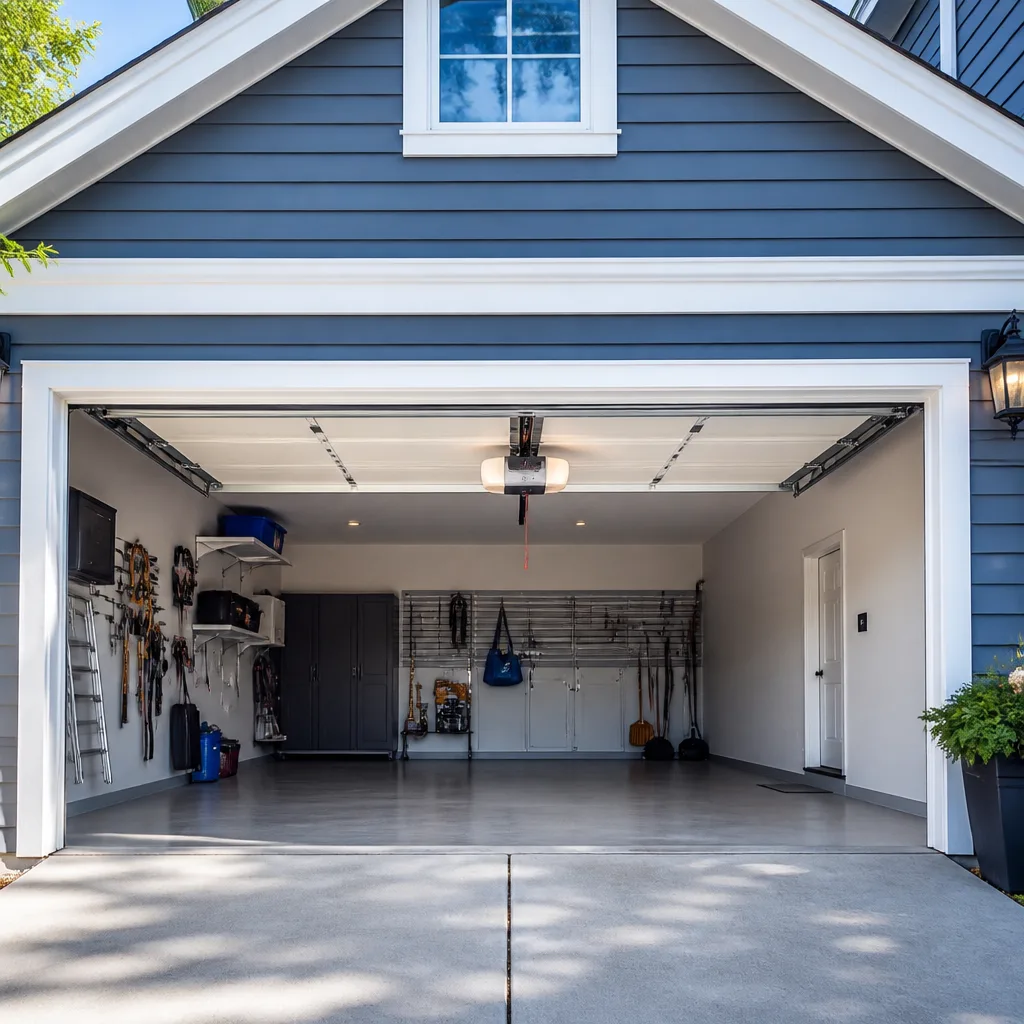
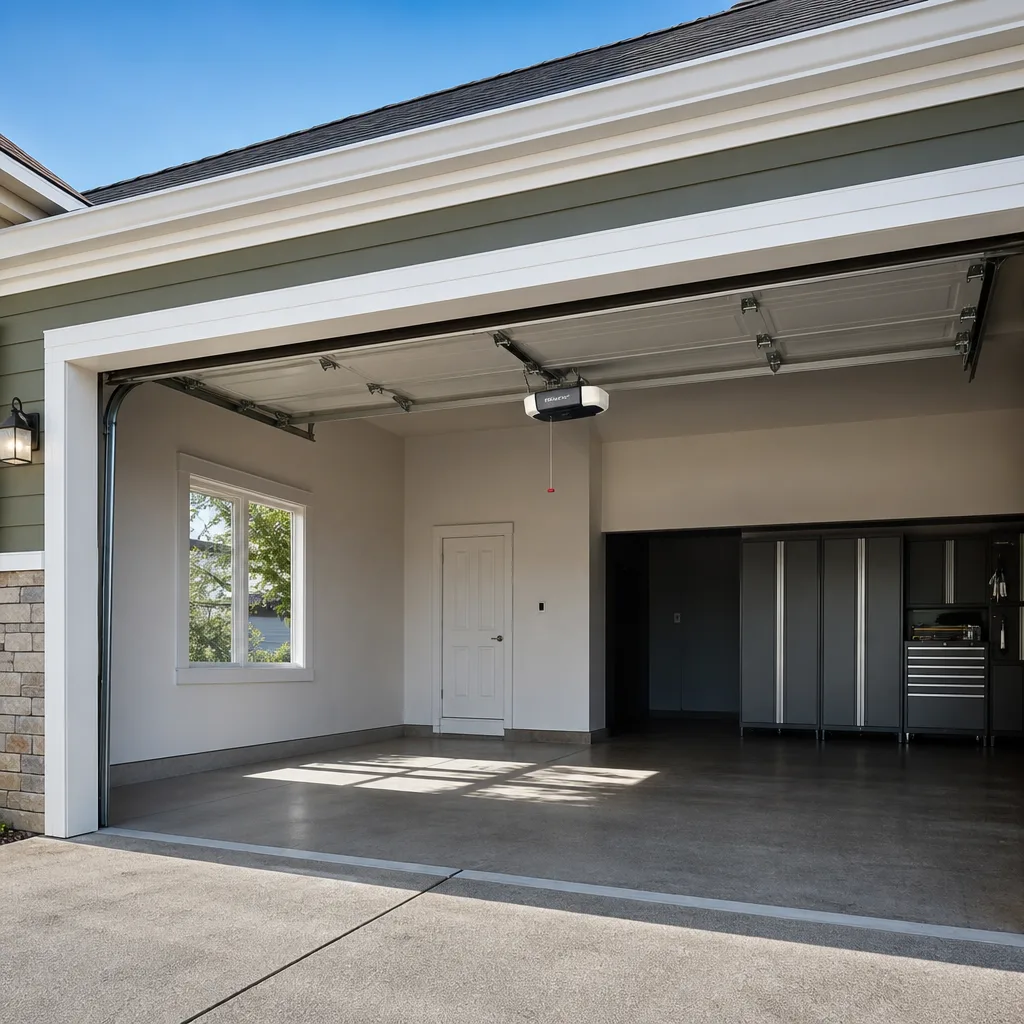
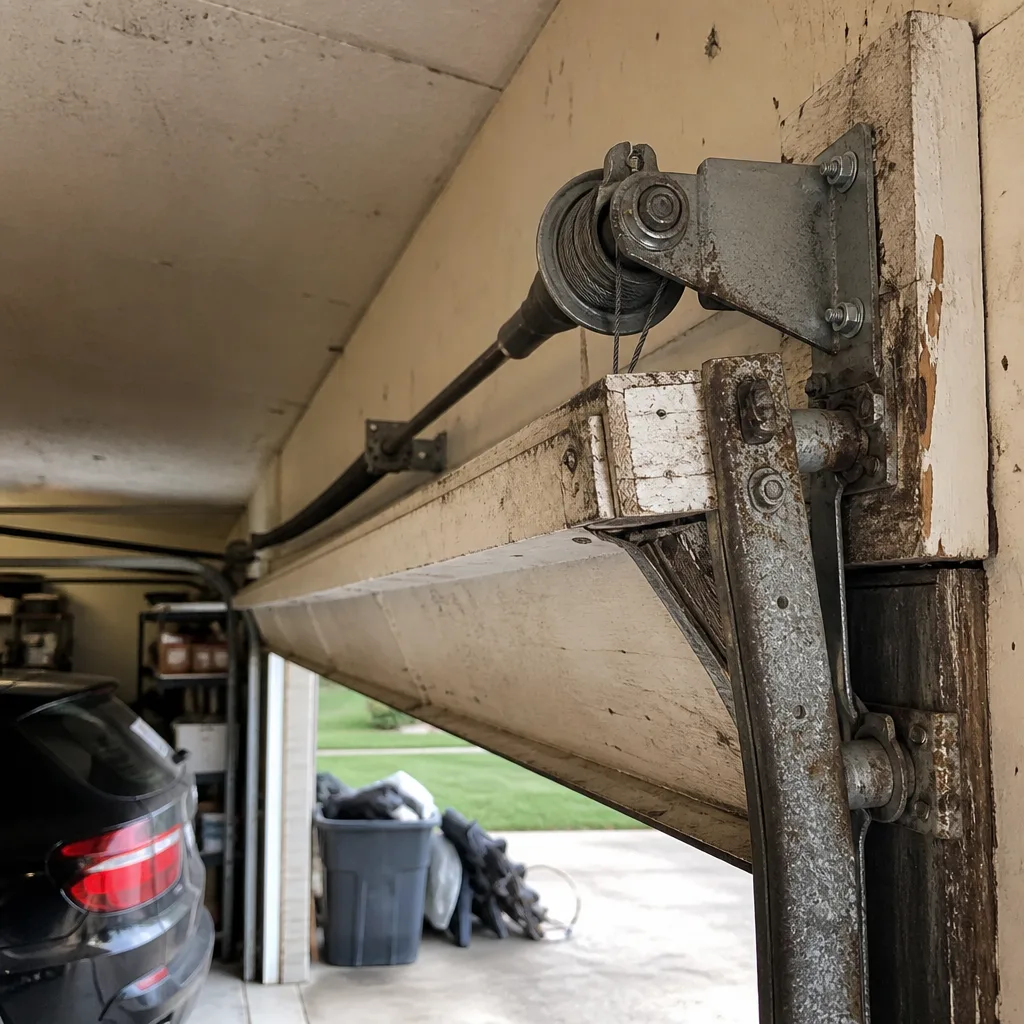 Before
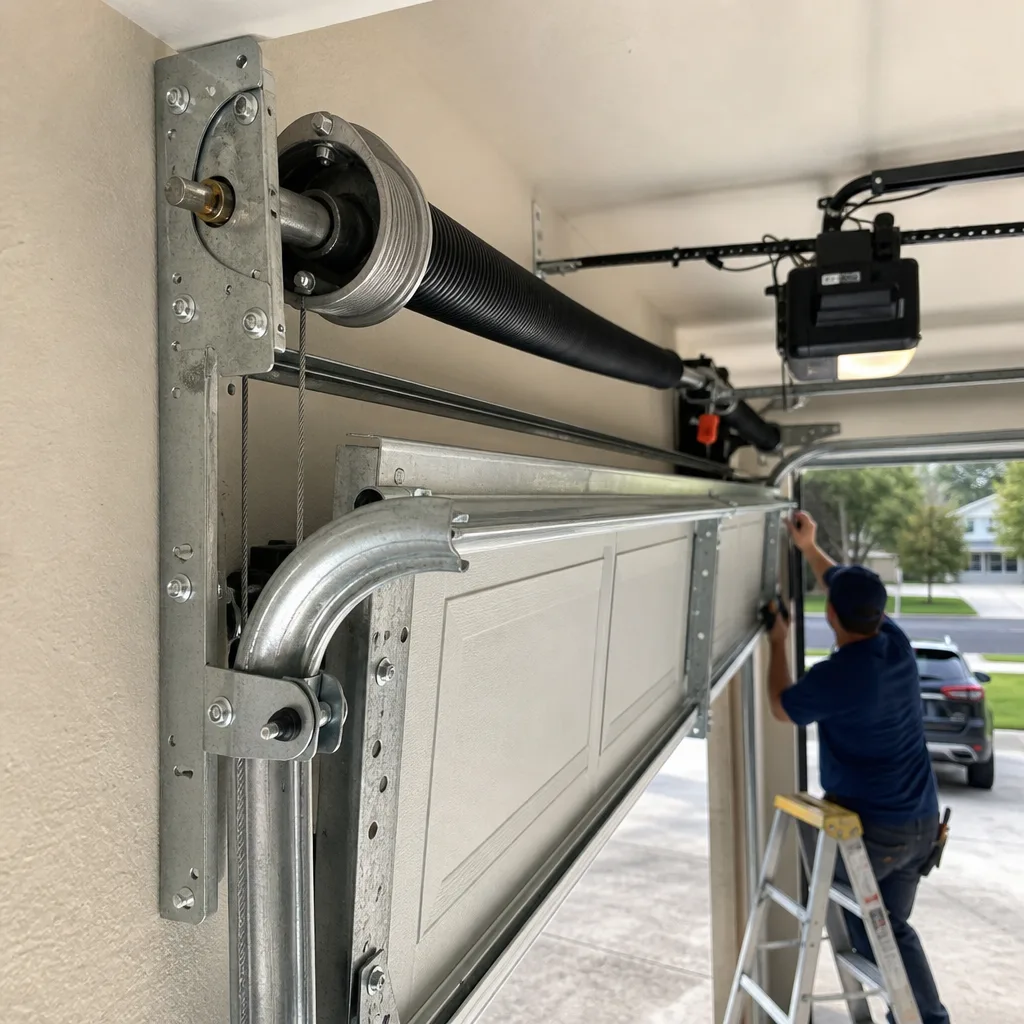 After
After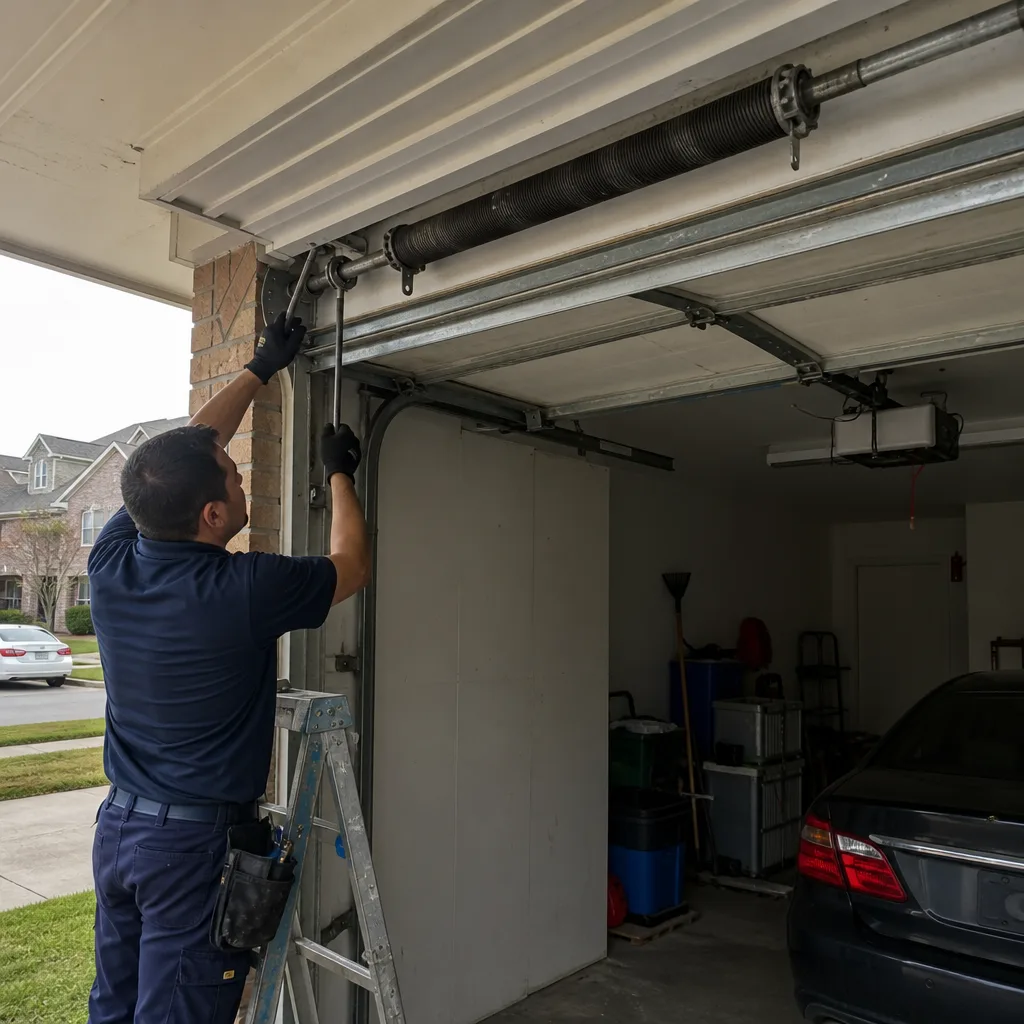 Before
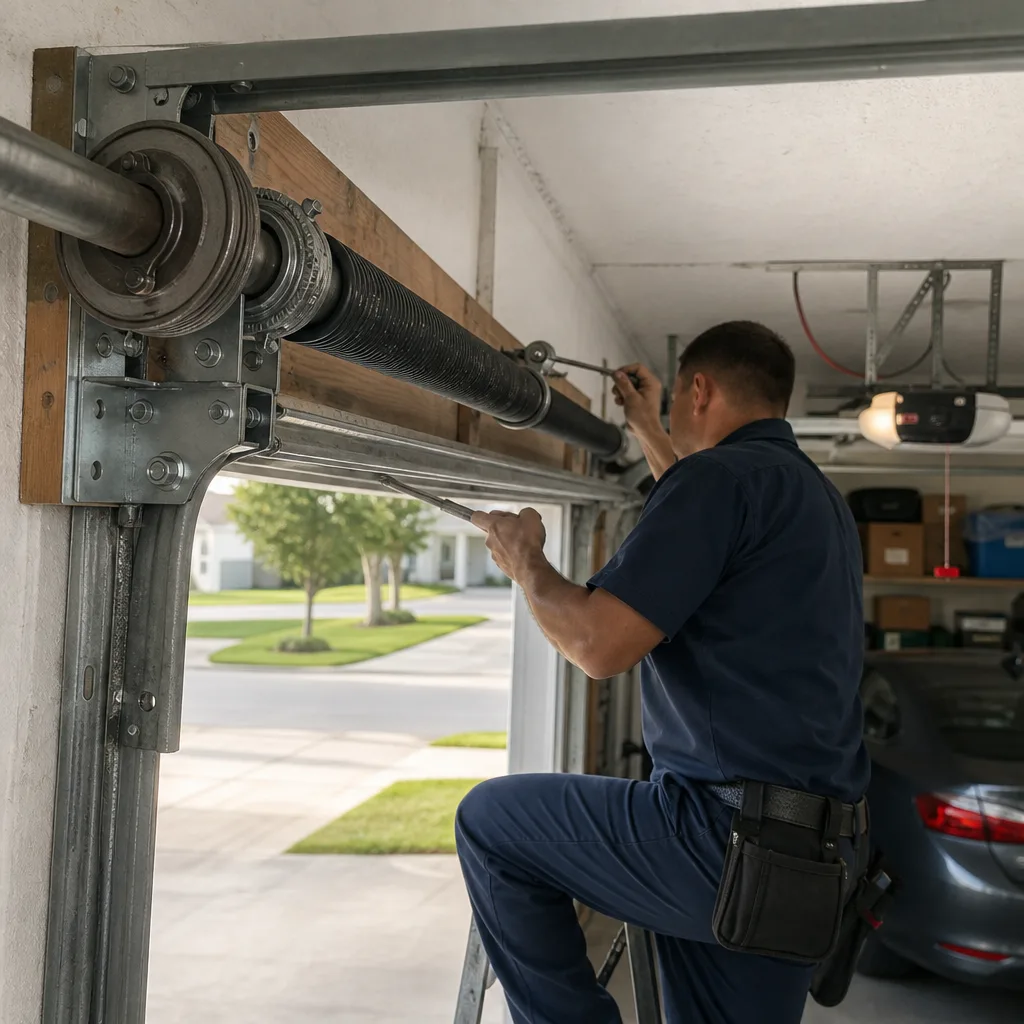 After
After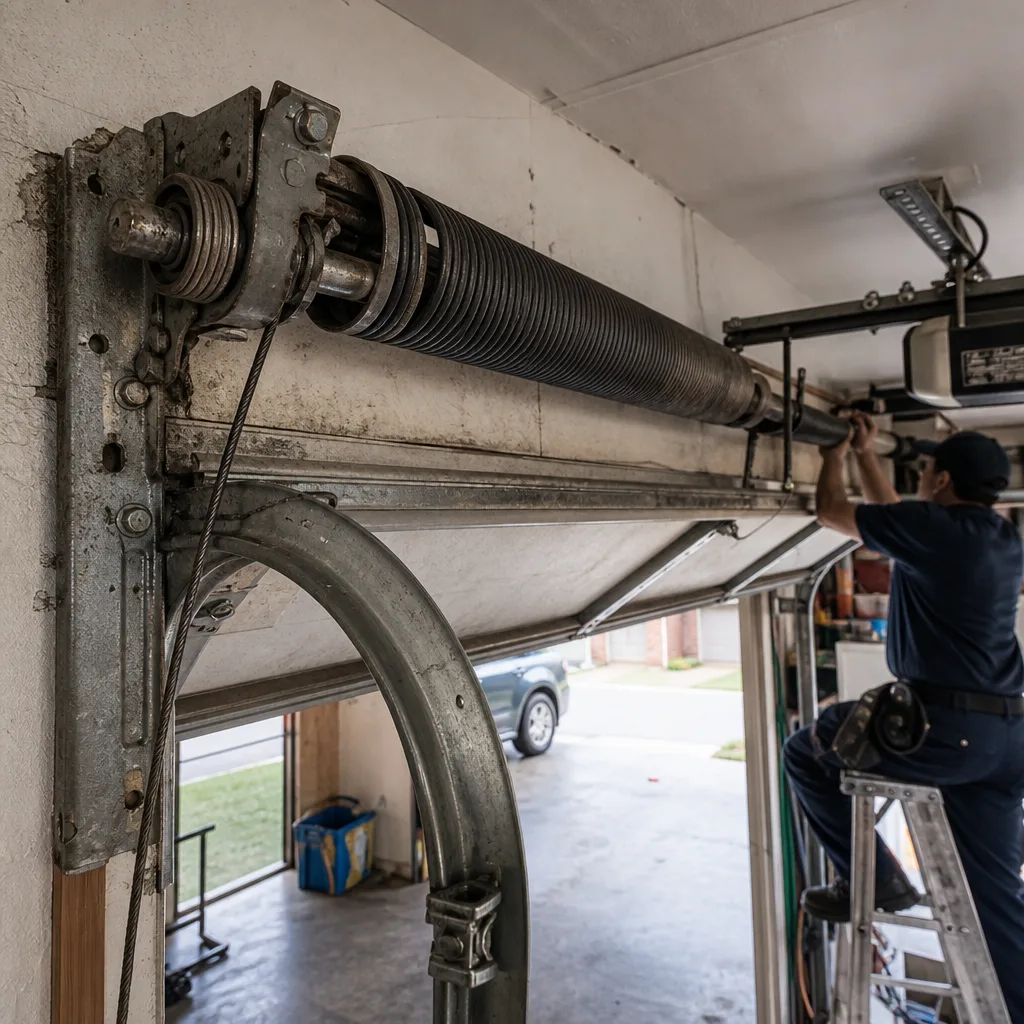 Before
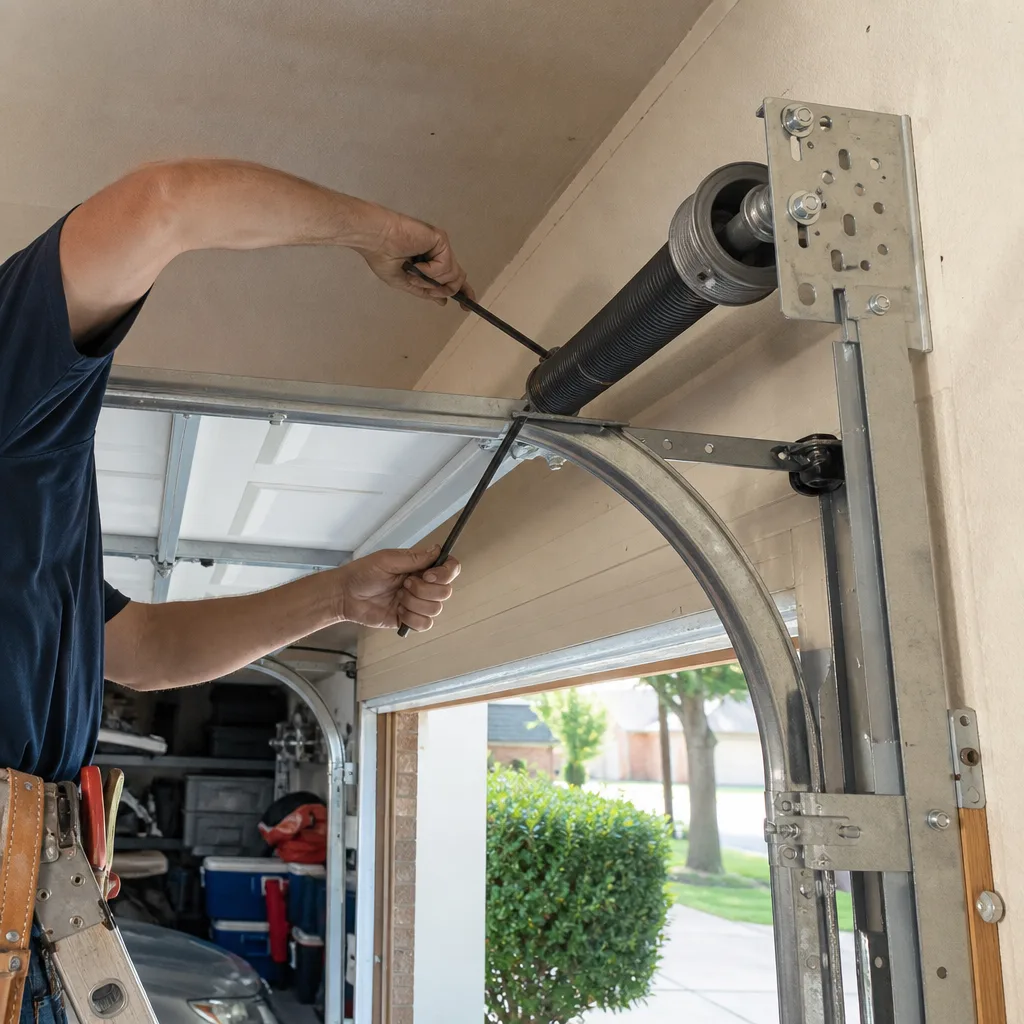 After
AfterGarage Door Repair Maintenance Checklist for Richmond Homeowners
Lubricating your garage door tracks in August in Richmond is one of the fastest ways to attract dirt and grit that grinds the rollers down by November. Sequence matters more than the task list itself. After 42 years in this trade, we’ve learned that Richmond’s Gulf Coast humidity calendar - not a generic seasonal label - should drive every maintenance decision a homeowner makes. This guide gives you a month-tagged checklist built around actual Richmond weather windows, plus the three components most homeowners damage by using the wrong product, and a simple log format that protects your warranty if something goes wrong.
Quick Answer
A proper garage door maintenance checklist for Richmond homeowners includes monthly visual inspections, quarterly hardware tightening, bi-annual lubrication timed to humidity lows in March and October, annual spring tension observation, and seasonal seal checks before summer storms and winter cold fronts. For related reading, see our Garage Door Warning Signs: A Richmond Homeowner’s Reference Guide. The critical detail most Richmond homeowners miss is doing each task in the right weather window - lubricating during high humidity traps contaminants, and inspecting seals after the first hard freeze is already too late.
Table of Contents
- How Richmond’s Climate Changes Your Maintenance Calendar
- Monthly Visual Inspection: What to Look For
- The March and October Lubrication Window
- Quarterly Hardware Tightening
- Reading Torsion Spring Tension from a Safe Distance
- Testing Bottom Seal Compression on Shifting Slabs
- The Maintenance Log: Documenting for Warranty and Insurance
- Common Mistakes to Avoid
- When to Call a Professional
- Frequently Asked Questions
How Richmond’s Climate Changes Your Maintenance Calendar
Richmond sits in Fort Bend County, roughly 50 miles inland from the Gulf of Mexico. That distance matters. We’re close enough to pull moisture off the coast, far enough to experience real temperature swings, and flat enough that our clay-heavy soils shift dramatically with rain and drought. These three factors - humidity, temperature range, and soil movement - should determine when you perform every maintenance task on your garage door.
Here’s what the calendar actually looks like:
- January-February: Cold fronts arrive with dry, northerly air. Metal contracts. This is when cracked or hardened bottom seals reveal themselves as gaps under the door. Inspect seals now, not after the freeze.
- March-April: The driest window of the year. Humidity drops into the 50s before summer buildup begins. This is your primary lubrication window - clean, dry surfaces accept lubricant properly.
- May-August: Gulf moisture dominates. Daily humidity above 75%, afternoon thunderstorms, and the occasional tropical system. Do not lubricate during this period unless you’ve just replaced a component. The lubricant becomes a paste that traps pollen, dust, and grit.
- September-October: Hurricane season lingers, but late October often brings a dry front. This is your secondary lubrication window, narrower and less predictable than spring. Watch the 10-day forecast.
- November-December: Variable. Some years dry, some years wet. Use this period for hardware checks and documentation review, not for introducing new lubricants.
In neighborhoods like Pecan Grove and Greatwood, where mature trees drop significant debris, the May-through-September humidity window is especially punishing. We’ve seen rollers packed with oak pollen paste that destroys bearings in a single season. The maintenance sequence in this guide is designed specifically for this climate reality.
For homeowners in newer developments like Harvest Green or Aliana, the same calendar applies, though your concrete slabs may still be settling. That affects bottom seal compression, which we’ll cover in its own section.
Monthly Visual Inspection: What to Look For
A monthly inspection takes eight minutes if you know what you’re looking at. Do it on the first Saturday of each month. Open the door halfway by hand, then look for these specific conditions:
- Cable fraying: Look where the lift cable wraps around the bottom drum. Any single broken strand visible to the naked eye means the cable is degrading. Do not touch it. Torsion-spring cables carry enormous tension and can cause serious injury if they fail during inspection. Note the finding and call a professional.
- Roller wear: Nylon rollers show cracks or flat spots. Steel rollers show rust streaks running down the track. In Richmond’s humidity, steel rollers often rust from the inside out - the bearing goes first, then the wheel wobbles.
- Track alignment: The vertical track should be perfectly plumb. Look for gaps between the track and the jamb bracket, or dents where a vehicle may have bumped the track. Even a quarter-inch misalignment causes uneven wear.
- Hinge condition: Look for cracks at the hinge knuckle, especially on the center hinges that carry the most load. A cracked hinge will eventually separate and allow the door section to sag.
- Spring coil gaps: From inside the garage, look at the torsion spring above the door. The coils should be evenly spaced when the door is closed. A visible gap or a section where coils are touching indicates spring fatigue. This is a visual check only - do not attempt to measure or adjust.
- Opener rail and chain/belt: Look for sag in the chain or visible wear on the belt. Listen for grinding when the opener runs. A chain that slaps the rail is either too loose or the rail is flexing.
Document what you see. Even a simple phone photo with a date stamp creates a record. If a component fails within warranty period, manufacturers and insurance adjusters both ask for maintenance documentation. The homeowner with dated photos gets the benefit of the doubt. The homeowner with nothing gets the denial letter.
In our experience across Richmond, from the historic homes near Morton Street to the newer builds in Long Meadow Farms, the component most often missed in monthly inspection is the spring coil gap. Homeowners look at everything below eye level and forget to look up. The spring is doing the actual lifting. It deserves your attention.
The March and October Lubrication Window
This is where most maintenance guides fail Richmond homeowners. They say “lubricate twice yearly” without specifying when, or worse, they suggest WD-40. Let’s be direct about what to use, where to use it, and when.
The three lubricant types you actually need:
- White lithium grease: For metal-to-metal contact points - hinges, roller bearings (not the wheel itself), and the torsion spring. It stays where you put it and resists washout.
- Silicone spray: For weather seals, the opener chain or belt, and any plastic components. It conditions rubber without swelling it.
- Garage door-specific lubricant: A light synthetic formula for tracks and rollers. Do not use general-purpose sprays here.
The three components Richmond homeowners most commonly over-lubricate:
- Tracks: The roller track should be clean, not lubricated. Lubricant on the track attracts dust that becomes abrasive paste. Wipe tracks with a clean rag dampened with mineral spirits, then leave them dry. The roller wheel bearings need lubricant; the track does not.
- The opener rail: Chain-drive openers need lubricant on the chain, not the rail. Belt-drive openers need no lubricant at all on the belt - it’s self-lubricating. Putting spray on a belt attracts dust that abrades the teeth.
- Bottom weather seal: A light silicone treatment twice yearly conditions the rubber. More frequent application, especially with petroleum-based products, causes the rubber to swell and lose its seal against the floor.
The March window in Richmond typically runs from the second week of March through early April, when humidity is lowest and pollen hasn’t peaked. The October window is shorter and less reliable - watch for a sustained drop below 65% humidity, usually in the third week of October. If hurricane moisture lingers, skip October and wait for a dry November front.
Apply lubricant sparingly. A thin film that you can barely see is correct. If it’s dripping, you’ve used too much. Excess lubricant in Richmond’s climate becomes a contaminant trap within weeks.
Quarterly Hardware Tightening
Vibration loosens hardware. It’s that simple. A garage door that opens and closes 1,500 times yearly generates significant vibration, especially at the start and stop of each cycle. In Richmond, the clay soil’s seasonal expansion and contraction adds stress that accelerates loosening.
Do this every three months - January, April, July, October. Use a socket set and a wrench, not a power driver. Power drivers easily over-torque and strip lag screws in soft wood jambs.
The tightening sequence:
- Track brackets to jamb: Check all lag screws that mount the vertical track brackets to the door frame. Snug only - do not overtighten. If a lag screw spins freely, the hole is stripped and needs repair.
- Hinge screws: Each hinge connects to the door section with screws and to the adjacent section with a pin. Check both. On steel doors, the screws thread into stamped metal inserts that can pull free if over-tightened repeatedly.
- Opener mounting: The opener header bracket and the ceiling or wall bracket should be solid. Any movement here transfers to the door and causes premature opener failure.
- Spring anchor bracket: This is visual only. The bracket that anchors the torsion spring tube to the header is under extreme tension. Do not touch the bolts. Look for cracking in the bracket itself or pulling away from the header. If you see either, stop and call a professional.
In Richmond’s older neighborhoods like Pecan Grove, where many garage doors are original to 1980s and 1990s construction, we’ve found that hinge screws in wood doors often work loose repeatedly because the original pilot holes have wallowed out. A proper fix is to fill with hardwood dowel and re-drill, not to keep tightening into stripped wood. This is a repair, not maintenance, but knowing the difference saves you from a door section separation.
Reading Torsion Spring Tension from a Safe Distance
Torsion springs are dangerous. The spring above your garage door is wound tight enough to lift 150 to 400 pounds of door weight. A break or slip can cause serious injury or death. We do not recommend any homeowner touch a torsion spring, attempt to wind or unwind it, or measure it with tools.
What you can do is read the spring’s condition visually and through door behavior. This tells you when professional attention is needed, which is the entire point of maintenance observation.
Visual indicators of spring condition:
- Coil spacing: With the door closed, look at the spring from the side. Coils should be evenly spaced along the entire length. A section where coils are compressed together indicates a fatigued spring that has lost some of its wind. A visible gap between coils that didn’t exist before indicates the spring has stretched and weakened.
- Rust and corrosion: Surface rust is cosmetic. Deep pitting, especially at the ends where stress concentrates, indicates the spring is approaching failure. In Richmond’s humidity, springs in unconditioned garages show corrosion faster than those in attached garages with climate control.
- Spring noise: A properly functioning torsion spring is nearly silent. A creaking or popping sound during door operation indicates the spring is binding on the shaft or the bearings are failing. Either condition increases stress on the spring.
Behavioral indicators - what the door tells you:
- Balance test: Disconnect the opener by pulling the red release cord. Lift the door manually to waist height and let go. A properly balanced door stays in place. A door that falls closed has a weak or broken spring. A door that rises on its own has excessive spring tension. Both conditions require professional adjustment.
- Opener strain: If your opener suddenly seems louder or slower, or if it stalls at a point where it previously ran smoothly, the spring may be losing tension. The opener is compensating for work the spring should be doing.
- Asymmetric lift: One side of the door rises faster than the other, or the door binds in the track. This can indicate a broken spring on one side of a dual-spring system, or a cable that has slipped on the drum.
Any of these observations means it’s time to call a professional. In Richmond, we see spring failures peak in late February and late September - when temperature swings stress metal that is already fatigued. A spring that shows visual warning signs in January will likely fail in the first hard freeze cycle. Document your observation and schedule service before the failure.
Carl Dutton and our technicians at Garage Door Repair in Richmond carry a full range of spring sizes on every truck. Most spring replacements are completed in a single visit, and every job is covered by our 90-Day Done Right Promise.
Testing Bottom Seal Compression on Shifting Slabs
Richmond’s gumbo clay soil is famous for movement. Wet years swell it; dry years shrink it. Your garage slab rides this movement, and over years it may settle, heave, or tilt. The bottom seal on your garage door is where you notice this first.
A gap under the door is not always a seal problem. Sometimes it’s a slab problem. Replacing the seal on a shifted slab wastes money and may make the door bind. Here’s how to tell the difference.
The paper test:
- Close the door fully.
- Starting at one corner, slide a standard sheet of printer paper under the seal.
- Move the paper along the full width of the door, noting where it slides freely, where it drags, and where it stops completely.
- Mark the floor with masking tape at the transition points.
Reading the results:
- Consistent light drag across the full width: Good seal compression. The seal is doing its job.
- Paper slides freely in one area, drags in others: Slab has settled or heaved, creating a gap. Measure the gap. Under a quarter inch may be adjustable with a different seal profile. Over a quarter inch indicates slab movement that needs structural attention before seal replacement.
- Paper stops completely at one or both ends but slides in the center: Common on older doors where the bottom section has sagged. The door itself needs adjustment or reinforcement, not just a seal.
- Paper drags heavily across full width, door seems to push down hard: Slab has heaved upward, over-compressing the seal. This strains the opener and will eventually damage the bottom section.
Document your paper test with photos and measurements. If you later need warranty service on the door or seal, this documentation proves whether the issue is product failure or site condition. In Richmond’s shifting soils, manufacturers and installers both want this clarity.
For homeowners in newer developments where slabs are still curing, we recommend the paper test monthly for the first two years, then quarterly. In established neighborhoods like Pecan Grove or the Richmond Historic District, twice yearly is sufficient unless you notice visible cracking in the driveway or garage floor.
When slab movement is confirmed, we can recommend seal profiles that accommodate modest gaps. Wayne Dalton and Clopay both offer oversized bulb seals for this purpose. But we won’t sell you a seal if the real problem is foundation movement that will destroy it in six months. That’s not a square deal.
The Maintenance Log: Documenting for Warranty and Insurance
Every major garage door manufacturer - Amarr, Clopay, Wayne Dalton, and others - requires proof of maintenance for warranty claims beyond the first year. Homeowners insurance may ask for maintenance records if a door failure causes property damage or injury. A handwritten note on a calendar page is better than nothing. A structured log is better still.
Here’s the format we recommend, simple enough to maintain, detailed enough to satisfy a claims adjuster:
| Date | Task Performed | Findings | Action Taken | Technician/Inspector |
|---|---|---|---|---|
| Example: 03/15/2025 | Spring visual inspection, lubrication | Coil spacing even, no corrosion | Applied white lithium to hinges and roller bearings | Homeowner |
| Example: 06/02/2025 | Monthly visual inspection | Bottom roller on left track shows flat spot | Scheduled Mainspring service, replaced roller 06/05 | Carl Dutton, Mainspring |
Keep this log in a dedicated notebook, not scattered across calendar pages or phone notes. Store it where you’ll find it - with your other home maintenance records. If you have a home warranty or homeowner’s insurance rider that covers garage doors, attach a copy of the policy requirements to the inside cover so you know exactly what documentation they expect.
For the photos you take during monthly inspections, create a dedicated album on your phone with the date in the album name. Back these up to cloud storage monthly. A photo of a fraying cable dated three months before the cable fails is powerful evidence that you maintained the door properly and the failure was material defect, not neglect.
We’ve seen warranty claims denied for lack of documentation more often than for actual maintenance neglect. The homeowner who did the work but didn’t write it down loses to the homeowner who wrote down everything, even imperfectly. At Mainspring Garage Door Co. home, we provide a written summary of every service call that you can add directly to your log. No extra work on your part.
Common Mistakes to Avoid
- Lubricating during high humidity: In Richmond, this means May through September for most tasks. Lubricant applied to a humid surface traps moisture underneath. The result is accelerated corrosion, not protection. Wait for a dry front.
- Using WD-40 as a lubricant: WD-40 is a water displacement formula and solvent, not a lubricant. It evaporates within days, leaving components unprotected. It also strips existing lubricant. Use products formulated for the specific component.
- Ignoring the spring until it breaks: A broken torsion spring often damages the door, the opener, or both in the process. The visual checks in this guide take 30 seconds. Do them monthly. A spring showing fatigue costs less to replace proactively than reactively, and you choose the timing instead of the spring.
- Tightening hardware without checking for stripped holes: A lag screw that spins freely in a wood jamb will tighten temporarily, then loosen again within days. The repeated tightening wallows the hole further. Check for solid engagement every time.
- Replacing the bottom seal without testing slab condition: In Richmond’s shifting clay soils, this is wasted money. The paper test takes five minutes and tells you whether the problem is seal, slab, or door. Do it first.
- Skipping documentation because “I’ll remember”: You won’t. And neither will the warranty representative who asks for maintenance records two years later. The log format above takes less time than reading this sentence.
- Attempting spring or cable adjustment: These components carry lethal tension. The visual and behavioral checks in this guide are the full extent of safe homeowner inspection. Any adjustment requires training, tools, and safety procedures that cannot be summarized in a checklist.
When to Call a Professional
Some maintenance tasks are homeowner-appropriate. Others are not. Call a professional when you observe any of the following: visible spring coil gaps or corrosion, frayed or damaged lift cables, door imbalance in the manual test, opener strain or stalling, slab movement affecting seal compression, or any hardware that has pulled loose from the jamb or header. These conditions indicate problems that will worsen and may become dangerous. Learn How to Hire a Garage Door Contractor in Richmond: A Step-by-Step Guide to choose the right pro.
Mainspring Garage Door Co. offers our Garage Door Repair services with free estimates in Richmond. A technician will assess the condition, explain what we find in plain language, and state the flat price before any work begins. Most repairs are completed in a single visit because our trucks carry the parts. Call (936) 278-3457 to schedule.
Frequently Asked Questions
Monthly visual inspections, quarterly hardware tightening, and bi-annual lubrication timed to Richmond’s dry windows in March and October. The monthly inspection takes under ten minutes and catches problems before they become expensive failures. Call (936) 278-3457 if your inspection reveals anything concerning - estimates are free.
White lithium grease for metal-to-metal contact like hinges and roller bearings, silicone spray for weather seals and plastic components, and a garage door-specific light synthetic for tracks and rollers. Never use WD-40 as a lubricant - it is a solvent that strips protection rather than providing it. In Richmond’s humidity, the wrong product becomes an active problem within weeks.
Look for uneven coil spacing, visible gaps where coils have separated, or sections where coils are compressed together. Behaviorally, a door that falls closed when manually released, an opener that strains or stalls, or asymmetric lifting all indicate spring problems. These are visual and behavioral observations only - do not touch the spring. Call (936) 278-3457 for professional assessment.
In Richmond, the most common cause is slab movement from our expansive clay soils, not seal failure. Perform the paper test described in this guide to distinguish slab gaps from seal problems. A gap over a quarter inch typically indicates foundation movement that requires structural attention before seal replacement will be effective. Mainspring technicians can assess this during a free estimate.
Monthly visual inspections, hardware tightening, lubrication, and documentation are appropriate homeowner tasks. Any work involving torsion springs, lift cables, or door balance adjustment requires professional training and tools due to the risk of serious injury. We recommend professional service for these components. Our $89 Seasonal Tune-Up covers inspection and adjustment of items that homeowners should not attempt.
Yes. Major manufacturers including Clopay, Amarr, and Wayne Dalton require documented maintenance for warranty coverage beyond the first year. A simple dated log with task descriptions and findings satisfies this requirement. Without documentation, warranty claims are routinely denied regardless of actual product defect. Keep your log with other home maintenance records.
The Bottom Line
Garage door maintenance in Richmond is not about doing more tasks - it’s about doing the right tasks in the right sequence, timed to our specific climate. For more guides & resources, explore our blog. Lubricate in March and October when humidity is low, not in August when it traps contaminants. Inspect springs visually every month without touching them. Test your bottom seal with paper to distinguish slab problems from seal wear. Document everything. These habits, maintained consistently, prevent the failures that strand you with a door that won’t open and a repair bill that wasn’t in the plan.
The homeowners we see with the fewest emergency calls are not the ones who spend the most on maintenance. They’re the ones who pay attention to sequence and timing, who know what they can observe safely and what requires a trained technician, and who keep records that protect them when something does go wrong.
For a free estimate on any garage door concern, or to schedule our $89 Seasonal Tune-Up, call Mainspring Garage Door Co. at (936) 278-3457. A live person answers every call, 24 hours a day. We serve Richmond and surrounding Fort Bend County communities, and we’ve been doing it since 1984.
Written by Carl Dutton, Owner at Mainspring Garage Door Co., serving Richmond since 2016.